Currently Empty: £0.00



sjatraining25
- April 19, 2026
- Comment 0
If you teach, assess, or manage vocational learners, you already know that good delivery alone is not enough. Without a clear assessment plan, learners fall behind, deadlines slip, evidence becomes inconsistent, and achievement rates suffer.
That is where many providers struggle.
Some centres rely on generic templates. Others build plans that look organised on paper but fail in real delivery. Learners then feel confused, assessors waste time chasing evidence, and internal quality assurance becomes harder than it should be.
A strong vocational assessment plan solves those issues early. It gives structure, protects standards, supports learner progress, and helps staff stay in control throughout the course.
Whether you run classroom programmes, apprenticeships, adult vocational courses, online vocational courses, or workplace training, this guide explains how to create an effective assessment plan for vocational course delivery in the UK.
At SJA Academia, many learners and training professionals explore practical qualifications such as Assessment & Verification courses because they want systems that work in real settings, not just theory.
What Is an Assessment Plan for a Vocational Course?
An assessment plan is a structured roadmap that explains how learner competence will be measured across the full programme.
It usually:
- What units or outcomes need assessment
- Which methods will be used
- When will the assessment take place
- What evidence must learners provide
- Who will assess the work
- How progress will be monitored
- How quality assurance will be maintained
In simple terms, it turns course requirements into a practical learner journey. Without one, assessment becomes reactive. With one, assessment becomes manageable, fair, and consistent.
Why Assessment Planning Matters in Vocational Courses in the UK
Vocational learning works differently from purely academic study. Learners are often expected to demonstrate practical skills, workplace competence, industry knowledge, and professional behaviours rather than only written theory. Because of that, assessment planning plays a much bigger role than many people first realise.
A well-structured plan helps learners stay focused and understand what is expected at each stage of the course. It reduces missed deadlines by creating clear timelines and achievable milestones. It also helps prevent weak evidence submissions because learners know what type of work they need to produce and when it should be completed.
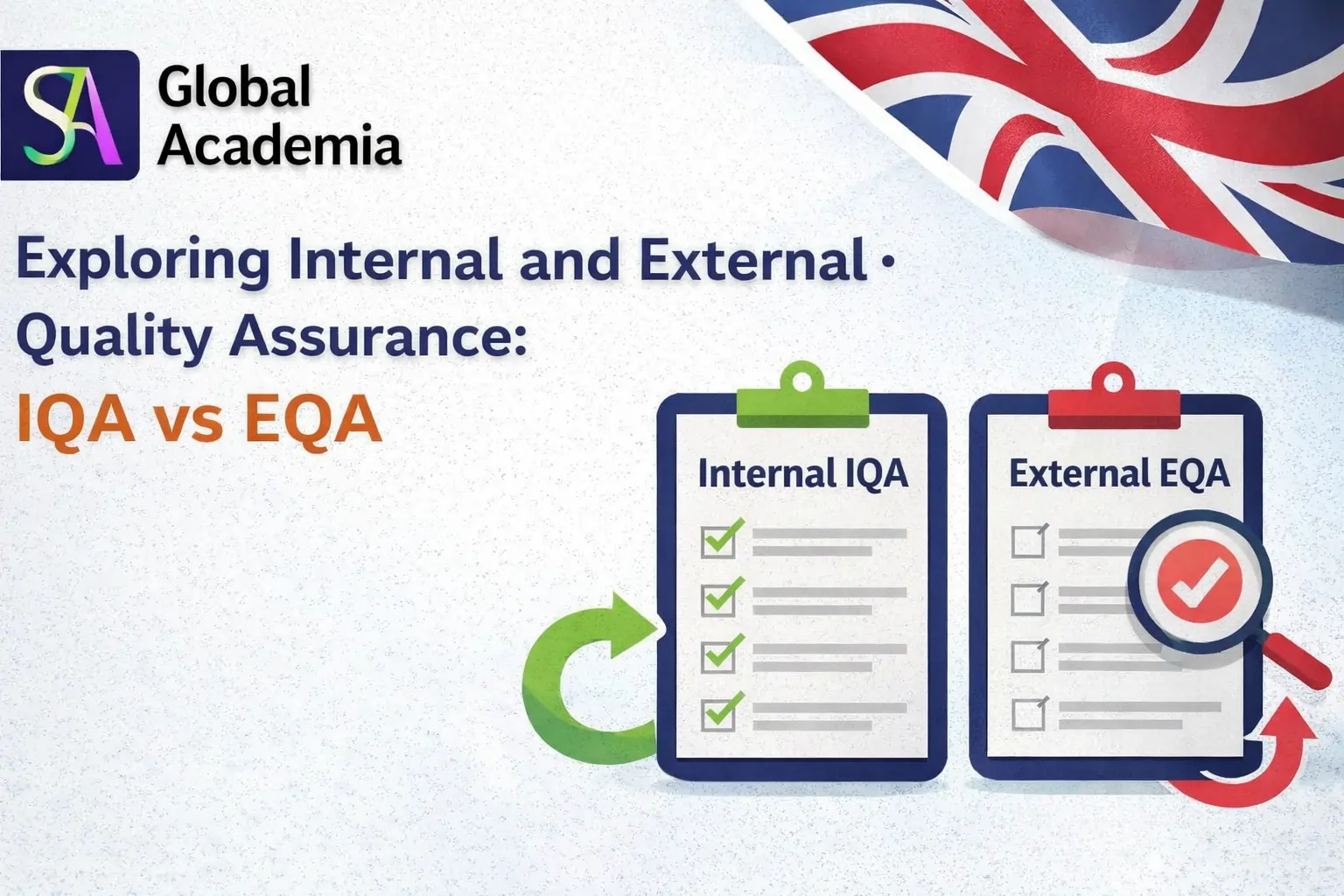
For assessors, strong planning improves consistency and makes it easier to monitor learner progress fairly across the group. It also supports internal quality assurance by giving IQAs a clearer structure for sampling and review decisions, especially when distinguishing between IQA vs EQA in maintaining quality standards.
When systems are organised from the start, centres often experience fewer learner complaints and less pressure during audits or external reviews. For providers delivering vocational courses in the UK, including those offering Grading & Assessment services, assessment planning is not an extra task. It is a key part of delivering quality training and protecting learner outcomes
What Are Vocational Courses and Why Is Assessment Different?
Many people ask what vocational courses are and how they compare with traditional academic study. A vocational course is designed to develop practical skills, workplace knowledge, and job-ready competence that can be applied directly in real employment settings.
These courses are often chosen by learners who want career progression, hands-on training, or recognised industry qualifications.
| Vocational Course Area | Typical Focus |
| Health and Social Care | Care practice, safeguarding, support skills |
| Teaching Support | Classroom assistance, learner support, and education practice |
| Assessing and Verification | Assessment methods, quality assurance, compliance |
| Business Administration | Office systems, communication, operations |
| Construction | Trade skills, site safety, practical tasks |
| Customer Service | Client communication, service standards |
| Management | Leadership, team performance, operations |
| Childcare | Early years support, child development, safeguarding |
Unlike many theory-based academic routes, vocational learners often need to provide evidence from real practice. This may include observations, assignments, professional discussions, witness testimonies, reflective accounts, portfolios, or workplace performance records.
Because evidence comes from different sources and real working environments, assessment planning usually needs to be more detailed, structured, and flexible than standard academic assessment models. This is also where understanding formative vs summative assessment becomes important, as both approaches support continuous progress and final evaluation.
How to Create an Effective Assessment Plan for Vocational Course Success
Start With Clear Learning Outcomes
Before setting dates or assigning tasks, begin by reviewing the qualification standards carefully. A strong assessment plan should always be built around what the learner is required to achieve, not around convenience or guesswork.
Ask yourself what learners need to know, what practical skills they must demonstrate, what evidence will prove competence, and which outcomes may be more complex or higher risk. These questions help create a plan that reflects the real demands of the qualification.
Good planning starts with clear outcomes. Once those are understood, deadlines and activities become much easier to organise.
Understand Your Learner Group
Every learner group is different, and assessment plans should reflect that reality. Some learners may be adults returning to education after many years. Others may be working full-time and studying around job commitments. Some learners may need additional support, confidence-building, or more flexible deadlines.
This becomes especially important when delivering adult vocational courses, online vocational courses, apprenticeships, mixed ability groups, or programmes that include workplace placements.
In many cases, learners also need proper guidance on portfolio preparation, as strong evidence organisation plays a key role in successful assessment outcomes.
Choose the Right Assessment Methods
Use methods that align with the unit requirements and the learner context.
Common vocational assessment methods include:
- Professional discussion
- Observation
- Written assignment
- Portfolio evidence
- Witness testimony
- Questions and answers
- Product evidence
- Reflective accounts
Strong plans mix methods sensibly instead of using the same method for every learner.
Build a Realistic Assessment Schedule
One of the most common mistakes in UK training centres is placing too much pressure on learners at the start of the programme, then rushing the final units near the end. This often leads to missed deadlines, lower-quality evidence, and unnecessary stress for both learners and staff.
A stronger approach is to spread assessments evenly across the full programme. Plans should include clear induction milestones, realistic unit deadlines, scheduled review meetings, evidence checkpoints, opportunities for resubmission where needed, and completion targets.
When the pace feels manageable, learners are more likely to stay engaged and complete on time. Realistic scheduling also gives assessors more control and reduces last-minute pressure.
Include Support and Review Points
Learners need support throughout the course, not only grades at the end. Many people lose confidence or fall behind simply because nobody checks in early enough. A well-designed assessment plan should include regular progress reviews, one-to-one coaching sessions, evidence checks, support for skills gaps, and action planning meetings when learners need direction.
This is where many weaker providers struggle. They focus only on assessment decisions and overlook the learner journey. Strong providers understand that support and structure often matter just as much as the final result.
Plan for Internal Quality Assurance
If you run a centre, assessment planning should connect with IQA from the start.
Include:
- Sampling dates
- Assessor standardisation meetings
- Documentation checks
- Feedback reviews
- High-risk learner monitoring
Quality assurance works best when built into the plan, not added later.
Common Problems Centres Face Without a Good Assessment Plan
Many problems that appear to be learner issues are often caused by weak planning behind the scenes. When assessment schedules are unclear, support is inconsistent, or expectations are not explained properly, the whole delivery process becomes harder for everyone involved.
Learners Miss Deadlines
Deadlines are frequently missed when learners do not receive a clear timetable or when too many tasks are grouped. Without a structured schedule, learners often lose track of priorities and fall behind.
Weak Evidence Portfolios
Many learners submit incomplete or low-quality evidence because they were never shown what good evidence looks like. If guidance is unclear, portfolios often contain gaps that delay completion and create extra resubmission work.
Assessors Work Reactively
Instead of supporting progress in a planned way, assessors end up chasing overdue work, rearranging missed reviews, and fixing preventable issues. This increases workload and reduces the time available for meaningful learner support.
Inconsistent Assessment Decisions
When there is no clear plan, different assessors may interpret standards in different ways. One learner may receive detailed support while another receives very little. This creates fairness concerns and quality risks.
High Withdrawal Rates
Learners often disengage when they feel confused, unsupported, or constantly behind. What starts as missed deadlines can quickly turn into withdrawals, especially with adult learners balancing work and family commitments.
Delayed Certification
Even when learners complete the work, poor planning can slow down final checks, evidence sign-off, and internal verification. This delays certificates and damages learner confidence.
Pressure on Internal Quality Assurance
IQA teams often face unnecessary pressure when evidence arrives late or in poor condition. Sampling becomes rushed, feedback takes longer, and avoidable compliance issues start to grow.
Stress Before EQA Visits
Centres with weak planning often experience last-minute panic before external reviews. Staff rush to update files, chase missing records, and resolve issues that should have been managed throughout the course.
Lower Achievement and Reputation Risk
Over time, repeated planning failures can reduce completion rates, increase complaints, and damage the centre’s reputation. Learners talk about poor experiences, and future enrolment can suffer.
A strong assessment plan helps prevent these issues early. It creates structure, improves communication, supports learner progress, and makes quality assurance far easier across the entire centre, especially when supported by trained professionals with recognised assessor/IQA qualifications.
Effective Assessment Plan Example for Vocational Course Delivery
Imagine a Level 3 learner who is studying while working full-time. In this situation, the assessment plan needs to be realistic, flexible, and easy to follow. Clear milestones help the learner manage study alongside work commitments while allowing the assessor to track progress consistently.
A strong example might look like this:
| Week | Assessment Activity | Purpose |
| Week 1 | Induction and evidence briefing | Introduce course requirements, deadlines, and evidence expectations |
| Week 3 | First written task | Build early confidence and assess initial knowledge |
| Week 5 | Observation planning | Prepare for a practical assessment in a real setting |
| Week 8 | Progress review meeting | Check learner progress, address barriers, update action plan |
| Week 10 | Portfolio checkpoint | Review submitted evidence and identify any gaps |
| Week 14 | Professional discussion | Confirm understanding, competence, and practical knowledge |
| Week 18 | Final evidence review | Complete outstanding work and prepare for certification |
This type of structure gives learners a clear pathway from the start. It also helps assessors stay organised, reduces last-minute pressure, and keeps progress moving steadily throughout the programme.
In many centres, a simple and realistic plan like this often delivers better results than complicated paperwork that learners struggle to follow.
How Online Vocational Courses Need Different Planning
Online delivery has grown quickly, but many providers still use classroom assessment models. That creates problems because online learners work differently and need a more structured digital approach.
Online learners require clear digital deadlines, easy evidence upload systems, frequent communication, shorter milestone targets, fast feedback cycles, and flexible meeting times. If you deliver online vocational courses, your planning must match digital behaviour rather than traditional classroom routines.
Best Tools to Improve Assessment Planning
You do not need expensive systems to improve outcomes. Useful tools include shared calendars, learner trackers, progress dashboards, portfolio software, reminder systems, standard templates, and review forms. When used consistently, simple systems perform far better than complicated systems that staff do not actually use.
Who Needs This Knowledge Most?
This guide is especially helpful for assessors, IQAs, tutors, training managers, centre owners, apprenticeship providers, FE staff, and new education professionals. It is particularly relevant if you deliver vocational training courses in the UK and want smoother learner progress and stronger organisation across your programmes.
Want to Progress in Assessment and Quality Roles?
Many professionals improve their delivery first, then decide to progress their own career. Popular routes include assessor qualifications, IQA training, teaching awards, and leadership development. At SJA Academia, many learners choose practical progression pathways because they want recognised qualifications that support real career growth.
Frequently Asked Questions
What is an assessment plan in vocational education?
It is a structured plan showing how learners will be assessed, when tasks happen, and what evidence is required.
Why is assessment planning important?
It improves learner progress, consistency, quality assurance, and completion rates.
How often should an assessment plan be reviewed?
Review regularly during delivery, especially after missed deadlines or learner changes.
What are vocational courses?
Vocational courses focus on practical skills linked to jobs, careers, and industry competence.
Can online vocational courses use the same plan as classroom courses?
Not fully. Online learners usually need more communication and flexible milestone planning.
Who creates the assessment plan?
Usually tutors, assessors, course leaders, or centre managers, depending on the provider.
What is the biggest planning mistake?
Trying to assess too much too early, then rushing final units later.
Can better planning improve pass rates?
Yes. Strong structure often improves engagement, evidence quality, and achievement.
Final Thoughts
If learners miss deadlines, staff feel overloaded, and progress always seems harder than it should be, the issue may not be motivation. It may be planning. A strong assessment plan creates clarity for everyone. Learners know what to do. Assessors know what to check. Managers can monitor progress. Quality assurance becomes easier.
That is why effective planning remains one of the simplest ways to improve vocational course delivery in the UK. If you want stronger systems or recognised progression routes in assessment, teaching, or quality assurance, SJA Academia offers practical options designed for real working professionals.