
Currently Empty: £0.00




sjatraining25
- May 13, 2026
- Comment 0
Trying to grow your career while working full-time can feel exhausting. You finish a long shift, open your laptop, and suddenly another assignment deadline appears. Many online learners struggle to keep up with coursework, family responsibilities, and job pressure at the same time.
The good news is that you do not need to choose between earning a salary and gaining qualifications. With the right time-management strategies, flexible learning methods, and career-focused study plan, you can balance work and online study successfully without burning out.
Whether you want career progression in Teaching and Lecturing, Health & Social Care, Business Management, and Direct Learning Support, this guide will help you manage your schedule more effectively while staying focused on long-term goals.
Why Qualifications Matter for Career Progression in the UK
The UK job market has become more competitive across almost every sector. Employers increasingly expect staff to hold recognized qualifications before offering promotions, leadership roles, or salary increases.
This is especially true in industries such as:
- Teaching and Lecturing
- Health & Social Care
- Assessment & Verification
- Business Management
- Direct Learning Support
- Top‑up degrees
Many professionals reach a point where experience alone is no longer enough. A teaching assistant may need formal qualifications to move into a lecturer role. A care worker may require management training to progress into leadership. An assessor may need Internal Quality Assurance credentials for senior responsibilities.
This creates a difficult situation for working adults. Leaving work to study full-time often feels impossible because bills, family responsibilities, and financial commitments still exist. That is why flexible online qualifications continue to grow across the UK. They allow learners to improve their career opportunities while maintaining employment.
For many adult learners, online study is not simply about education. It is about:
- Better income
- Career security
- Promotion opportunities
- Professional recognition
- Long-term stability
Managing Full-Time Work While Studying Online Can Feel Overwhelming
Many online learners start courses with strong motivation, but daily pressure quickly becomes difficult to manage. After a full day at work, concentration drops. Assignments pile up. Study sessions get delayed. Weekends disappear into coursework. Over time, stress increases and motivation falls. This is one of the biggest reasons online learners struggle with consistency.
Common problems include:
Lack of Structure
Without a proper routine, study time becomes random. Many learners wait until they “feel motivated,” which rarely works after long work shifts.
Unrealistic Expectations
Some students expect themselves to study for several hours every evening. This usually leads to exhaustion and frustration.
Poor Prioritization
Trying to complete everything at once creates overwhelm. Important tasks become mixed with low-priority activities.
Burnout
Working adults often push themselves too hard without breaks. Eventually, productivity drops and coursework becomes harder to manage.
The key is not studying longer hours. The key is managing your time more strategically.
Time-Management Systems Used by Successful Adult Learners
Successful online learners do not rely on motivation alone. They create systems that fit their lifestyle and energy levels.
Use Time Blocking Instead of Random Study Sessions
Time blocking is one of the most effective strategies for working professionals. Instead of studying “whenever possible,” schedule fixed study periods during the week.
Example:
| Day | Study Time |
| Monday | 7 PM – 8 PM |
| Wednesday | 7 PM – 9 PM |
| Saturday | 10 AM – 1 PM |
This creates consistency and reduces procrastination.
Focus on Small Daily Progress
Many learners fail because they try to complete too much at once. Studying for 45 focused minutes daily is often more effective than forcing five-hour sessions on weekends. Small progress builds momentum and reduces mental pressure.
Create a Weekly Priority List
Every Sunday, write down:
- Assignment deadlines
- Work commitments
- Study goals
- Family responsibilities
This helps you see realistic available study time instead of guessing.
Remove Distractions During Study Hours
Online learners lose huge amounts of time through:
- Social media
- Notifications
- Multitasking
- Background TV
- Constant phone checking
A focused one-hour session is more valuable than three distracted hours.
How RPL Can Reduce Study Pressure and Save Time

Many working professionals already have valuable skills and industry experience, but they often do not realize this experience can help reduce their study workload. Recognition of Prior Learning, or RPL, allows learners to use previous qualifications and workplace knowledge toward accredited courses. This can reduce study time, lower costs, and help learners complete qualifications faster.
For busy adults balancing work and family responsibilities, RPL removes unnecessary repetition. Experienced professionals in Assessment & Verification, Teaching and Lecturing, or Level 5 management roles may already meet part of the course requirements through their existing experience. This creates a faster and more flexible route toward career progression while making online learning more manageable.
Flexible Learning Pathways in Teaching and Lecturing
Many professionals want to move into education careers but worry they do not have a traditional academic background. One common question in the UK is whether someone can become a teacher without a degree. In many vocational and Further Education settings, flexible professional qualifications now provide alternative pathways into Teaching and Lecturing.
Online learning makes these opportunities more accessible for working adults. Learners can study around work schedules, avoid commuting, and continue earning while gaining qualifications. This flexibility benefits teaching assistants, trainers, assessors, support workers, and career changers who need a practical way to balance employment and study.
Business Management and Level 5 Management Opportunities
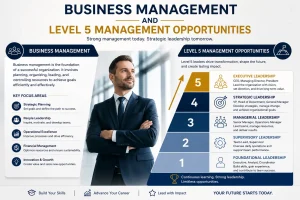
Many employees feel ready for leadership positions but struggle to progress because they lack formal qualifications. This is common in industries such as Business Management, retail, administration, operations, and Health & Social Care. A Level 5 management qualification helps professionals develop leadership skills, improve promotion opportunities, and increase long-term earning potential.
Flexible online learning makes career progression more realistic for busy adults. Instead of attending fixed classroom sessions, learners can study during evenings or weekends while continuing full-time employment. This allows professionals to gain recognized qualifications without putting their careers or financial stability on hold.
Bachelor’s & Master’s Top-Up Degrees Create Faster Career Progression
Many online learners already hold diplomas or vocational qualifications but want higher-level credentials. Bachelor’s & Master’s Top-Up programs help learners progress without restarting their education from the beginning.
This pathway is popular because it:
- Saves time
- Reduces overall study costs
- Supports career progression
- Fits working professionals
For adult learners balancing work and study, these programs provide a more efficient route toward higher qualifications.
Online vs Face-to-Face Learning: Which Works Better for Busy Professionals?
Traditional classroom learning works well for some students, but it creates challenges for working adults. Commuting, fixed schedules, and inflexible timetables often make face-to-face learning difficult to maintain.
Online learning offers several advantages:
- Flexible scheduling
- Self-paced learning
- Reduced travel time
- Easier work-study balance
- Access from anywhere
However, success still depends on discipline and structure.
The best option depends on:
- Work schedule
- Learning style
- Family responsibilities
- Career goals
For most working professionals, flexible online learning provides more realistic long-term balance.
How to Avoid Burnout While Studying Online
Burnout is one of the biggest hidden problems among online learners. Many students feel guilty when resting, but constant pressure reduces productivity over time.
Signs of burnout include:
- Loss of motivation
- Poor concentration
- Constant fatigue
- Falling behind on assignments
- Increased stress
To avoid burnout:
Protect Your Sleep
Late-night study sessions every day are not sustainable.
Schedule Recovery Time
Taking breaks improves focus and long-term consistency.
Set Realistic Goals
Avoid creating impossible study plans.
Ask for Support
Many learners struggle silently instead of asking tutors or support teams for help.
Strong Direct Learning Support can make a huge difference during difficult periods.
Career Growth Becomes Easier With a Structured Study Plan
Balancing work and study is difficult, but it becomes manageable when you create realistic systems instead of relying on motivation alone.
The most successful online learners:
- Plan weekly schedules
- Study consistently
- Use flexible learning pathways
- Reduce unnecessary workload through RPL
- Choose qualifications aligned with career goals
Whether you want progression in Health & Social Care, Teaching and Lecturing, Assessment & Verification, or Business Management, the right qualification strategy can open new career opportunities without forcing you to leave employment.
Online learning works best when it supports your lifestyle instead of controlling it.
Frequently Asked Questions
How can I balance work and online study effectively?
Create a structured weekly schedule with fixed study times. Focus on consistent smaller sessions instead of long irregular study periods.
What is the best study schedule for working adults?
The best schedule is one you can realistically maintain long term. Most working professionals succeed with evening and weekend study blocks.
Is online learning better than face-to-face learning for busy professionals?
Online learning usually provides more flexibility for working adults because it removes commuting and fixed classroom schedules.
How does RPL help online learners?
RPL allows learners to use previous work experience or qualifications toward a course, which can reduce study time and costs.
Can I become a teacher without a degree in the UK?
Certain vocational and Further Education pathways allow professionals to enter teaching through recognized teaching qualifications rather than traditional university routes.
Are Level 5 management qualifications worth it?
Yes. Many employers value Level 5 management qualifications because they demonstrate leadership, operational, and team management skills.
What causes burnout in online learners?
Common causes include poor scheduling, unrealistic study expectations, lack of breaks, and trying to balance too many responsibilities at once.
Are top-up degrees good for career progression?
Yes. Bachelor’s & Master’s Top-Up programs help learners gain higher qualifications faster without restarting from the beginning.
Final Thoughts
Balancing work and study is never easy, especially when career pressure, financial responsibilities, and personal commitments all compete for your time. However, the right strategy can make online learning far more manageable.
Flexible study pathways, realistic scheduling, RPL opportunities, and career-focused qualifications allow working professionals to continue progressing without sacrificing their current responsibilities. The key is not perfection. The key is consistency, structure, and choosing learning pathways that fit your real life.