Currently Empty: £0.00



sjatraining25
- May 24, 2026
- Comment 0
Many adults in the UK move through education and employment for years without realising they may have dyslexia. Some struggle with reading speed, written instructions, spelling or memory retention but assume they are simply “not academic”. Others avoid further education completely because traditional learning environments never worked for them in the past.
Awareness around dyslexia in adult learners has improved significantly, yet many people still reach adulthood without support, proper guidance or workplace adjustments. This can affect confidence, career progression, assessment performance and long-term learning outcomes.
For training providers, tutors and education professionals, understanding how dyslexia affects adult learning has become increasingly important. Colleges, adult education centres and workplace training programmes now recognise the need for more inclusive teaching strategies, adaptive assessment methods and personalised learner support.
As more adults return to education through CPD programmes, regulated qualifications and career development pathways, the conversation around managing dyslexia in adult learners continues to grow across the UK education sector.
Why Dyslexia Often Goes Unnoticed in Adult Education

Many adults develop coping strategies long before anyone identifies dyslexia. They memorise information instead of reading thoroughly, avoid writing tasks, rely heavily on verbal communication or spend far longer on coursework than others around them.
Because these strategies often mask the signs, dyslexia can remain unnoticed for years.
Adult learners often experience challenges with reading comprehension, organisation, written assignments and assessment pressure. Without proper support, many learners lose confidence quickly and disengage from education entirely. This is why inclusive learner support services such as Direct Learning Support are becoming increasingly important within UK education and training sectors.
Common Signs of Dyslexia in Adult Learners
Dyslexia affects people differently, which means there is no single checklist that applies to every learner. Some adults experience mild difficulties, while others face more significant challenges in education and the workplace.
Common signs include slow reading speed, difficulty processing written information, spelling inconsistencies and problems remembering sequences or instructions. Adult learners may also struggle to structure assignments clearly or organise thoughts during written assessments.
Many adults with dyslexia are highly creative and practical learners. However, traditional assessment methods do not always reflect their strengths accurately. Professionals working within education and learner support roles often strengthen these skills through specialised programmes such as Teaching & Lecturing courses designed for inclusive adult education environments.
How Dyslexia Affects Confidence, Learning and Career Growth
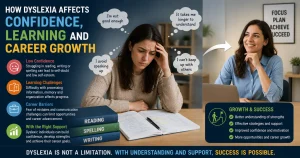
One of the biggest hidden impacts of dyslexia is reduced confidence.
Adults who struggled throughout school often carry negative educational experiences into later life. Some avoid promotions because they fear written assessments. Others hesitate to enrol in qualifications because they believe they are incapable of succeeding academically.
This emotional impact is frequently overlooked.
Many adult learners compare themselves to others and become frustrated when tasks take longer to complete. Over time, this can affect motivation, self-esteem and participation in learning environments. Supportive teaching approaches can make a major difference. When learners receive clear guidance, practical adjustments and encouragement, they often perform far better than expected.
Managing Dyslexia in Adult Learners Within UK Education Settings

Managing dyslexia in adult learners requires more than simple adjustments. Effective support involves understanding how individuals process information and adapting learning approaches accordingly. Many adult learners benefit from structured lessons, simplified instructions and visual learning materials. Breaking tasks into manageable sections also reduces overwhelm and improves engagement.
Tutors and assessors should allow additional processing time during discussions and assessments where appropriate. Clear communication matters significantly. Long blocks of text, rushed instructions and complex academic language can create unnecessary barriers for dyslexic learners. Understanding different learning styles can improve lesson planning, classroom participation and assignment completion, particularly in adult education environments where learners often return after long gaps in formal study.
Practical Teaching Strategies That Improve Adult Learning Outcomes
- Practical teaching methods often deliver the best results for dyslexic adult learners.
- Visual demonstrations, audio support, guided discussion and interactive activities help learners process information more effectively than text-heavy teaching alone.
- Adult learners also respond well to real-world examples linked directly to workplace or career goals. This increases motivation and helps learners understand the practical value of their studies.
- Assessment preparation also plays an important role. Many adult learners with dyslexia struggle under time pressure, particularly during written tasks.
- This is where understanding grading and assessment methods becomes especially important. Formative vs summative assessment strategies can help tutors identify learning gaps early while improving learner confidence gradually before final evaluation.
The Role of Direct Learning Support in Inclusive Education
- Strong learner support systems can transform educational outcomes for adults with dyslexia.
- Direct learning support professionals help learners manage coursework, improve organisation and access appropriate study strategies. In many cases, this support prevents learners from dropping out entirely.
- Support may include literacy guidance, assistive technology recommendations or one-to-one learning sessions tailored to individual needs.
- Across UK education settings, support staff also work closely with tutors and assessors to create more accessible learning experiences.
This growing demand for inclusive education has increased interest in SEN support pathways and specialist learner support roles. Many professionals looking to work in inclusive learning environments now pursue qualifications connected to Higher Level Teaching Assistant training to strengthen their ability to support diverse learner needs.
Why Learning Styles Matter for Dyslexic Adult Learners
Traditional teaching methods do not work equally for everyone. Some adult learners process information better through discussion, while others prefer visual demonstrations, practical application or repetition-based learning. Recognising different learning styles allows educators to create more inclusive and effective lessons.
Dyslexic learners often perform better when lessons combine visual, auditory and kinaesthetic teaching approaches rather than relying solely on written materials. Flexible learning methods also reduce frustration and improve learner engagement. This is particularly important in adult education because many learners already carry anxiety from previous educational experiences.
Technology and Assistive Tools That Help Adult Learners
Technology has made dyslexia support for adults UK learners far more accessible than in previous years. Many adult learners now use speech-to-text software, screen readers, spelling support tools and digital organisation apps to improve learning efficiency.
These tools help reduce barriers during coursework, assessments and workplace training. When assistive technology combines with structured educational support, adult learners often experience significant improvements in confidence and academic performance.
Free Dyslexia Help for Adults UK Learners
Many adults assume dyslexia support is expensive or unavailable, but several forms of free dyslexia help for adults UK learners do exist. Support options may include local adult learning services, workplace adjustments, community organisations, online literacy tools and guidance from education providers experienced in inclusive learning support.
Some colleges and training providers also offer learner support services designed specifically for adults returning to education. Adults progressing into regulated qualifications or professional development programmes often benefit from structured pathways available through education and training courses that support inclusive learning environments.
CPD and Professional Development for Inclusive Teaching
As awareness around neurodiversity grows, inclusive teaching skills are becoming increasingly valuable across the UK education sector. Teachers, trainers, assessors and support staff are now expected to understand how learning difficulties affect adult learners and how appropriate support strategies improve educational outcomes.
This has increased demand for CPD opportunities focused on inclusive education, learner engagement and differentiated teaching approaches. Professional development helps educators strengthen their understanding of dyslexia, adaptive learning methods and accessible assessment practices.
For professionals already working within education or training sectors, qualifications related to assessment, teaching and learner support can improve both confidence and career progression opportunities. Programmes such as the Level 5 Diploma in Teaching Further Education and Skills support educators who want to build stronger inclusive teaching skills within adult learning environments.
Teaching and Learning Pathways That Support Inclusive Education
Inclusive education requires knowledgeable professionals who understand how to support learners with different needs effectively. Across the UK, adult education providers increasingly value staff with experience in learner support, assessment practices and adaptive teaching strategies.
This creates strong opportunities for professionals interested in teaching, assessing, quality assurance and learner support roles. Qualifications connected to assessment and verification can also strengthen inclusive education practice. Many professionals explore pathways such as assessment and verification qualifications to improve learner support capabilities and assessment confidence.
How SJA Academia Supports Inclusive Adult Education
Inclusive education works best when learners receive structured support, accessible teaching and realistic progression opportunities. SJA Academia focuses on regulated qualifications, professional development and adult learning pathways designed to support diverse learner needs across the UK education sector.
From learner support and assessment qualifications to teaching and management programmes, the organisation provides opportunities for adults looking to progress within education, health and social care and professional training environments. The focus on practical learning, learner support and career progression aligns closely with the growing need for more inclusive adult education systems throughout the UK.
Frequently Asked Questions
Can adults still be diagnosed with dyslexia in the UK?
Yes. Many people receive a dyslexia diagnosis later in life after experiencing long-term difficulties with reading, writing or processing information.
What is the best support for adults with dyslexia?
The best support depends on individual needs. Many adults benefit from assistive technology, structured learning support and adaptive teaching methods.
Is there free dyslexia help for adults UK learners can access?
Yes. Some colleges, community organisations and adult learning services provide support and educational guidance for adults with dyslexia.
How can tutors support dyslexic adult learners effectively?
Tutors can support learners by using clear instructions, flexible teaching methods and supportive feedback strategies.
Why do many adults discover dyslexia later in life?
Many adults develop coping strategies during childhood, which can hide symptoms for years.
What challenges do dyslexic adults face in education?
Common challenges include reading speed, spelling, memory retention, organisation and written assessments.
What role does CPD play in inclusive education?
CPD helps education professionals improve their understanding of neurodiversity and learner support strategies.
Can dyslexic adults succeed in professional careers?
Absolutely. Many adults with dyslexia succeed in leadership, education, business and creative industries when they receive appropriate support and learning adjustments.