Currently Empty: £0.00



sjatraining25
- March 31, 2026
- Comment 0
If you want to become a teacher in the UK without a degree, the answer depends on where you want to teach.
If your goal is to teach in a maintained primary, secondary or special school in England, you will usually need a degree and Qualified Teacher Status. If you do not have a degree yet, the usual route is to train through an undergraduate course or a teacher degree apprenticeship that leads to QTS.
That is not the whole picture, though. If you want to teach in further education, adult learning, vocational training or other post-16 settings, there may be a more flexible route that fits your life better. That is often where people feel real relief. You may already have work experience, subject knowledge or time spent supporting learners. You may want a teaching career, but not a full-time university route, before you can get started.
This is where the question becomes more practical. It is not only about whether teaching is possible. It is about which path makes sense for you now.
Can You Become a Teacher in the UK Without a Degree?
Yes, in some settings, you can. In others, you will usually need a degree as part of the route.
If you want to teach in schools in England through the standard route, a degree and QTS are usually part of the process. If you want to teach in further education, adult learning or skills-based settings, your route can look very different.
That is why so many people feel confused when they search this topic. You may see one article saying no and another saying yes. In reality, both can be true depending on the setting.
For many adults, the most realistic starting point is not a school-based route at all. It is a teaching path linked to further education, training or post-16 learning. If that sounds closer to your goal, it makes sense to start by looking at Teaching & Lecturing courses that match your experience and where you want to go next. At SJA Academia, this is often where people begin to see a clear path instead of a dead end.
Can You Teach in Primary or Secondary Schools Without a Degree?
If you want to teach in a maintained primary or secondary school in England, you will usually need a degree and QTS.
This can feel frustrating if you already work with learners or have classroom experience. You may already know how to explain ideas clearly, support progress and manage a room. Even so, the standard school route still usually requires a degree.
There are still sensible next steps:
- Apply for an undergraduate teaching degree that leads to QTS
- Explore a teacher degree apprenticeship if you want to earn while you train
- Build experience in education first, then move into the right route when the time is right
This matters because many people do not really mean “I want to teach in a maintained school right now” when they type this search. What they often mean is, “I want to move into teaching, but I need a realistic way to do it.” If that is your situation, it helps to stay open to settings beyond schools.
Can You Teach in Further Education Without a Degree?
For many people, this is where the answer changes.
Further education includes colleges, sixth forms, adult learning, workplace training and vocational education. These settings often suit people who want to teach because they have strong practical experience, industry knowledge or a genuine interest in helping others learn.
This path can work well if you are:
- Changing career and want a practical route into education
- Already working as a trainer, assessor or support worker
- Balancing work, children or family commitments
- Interested in teaching older learners rather than younger children
- Looking for a route that feels achievable without putting your life on hold
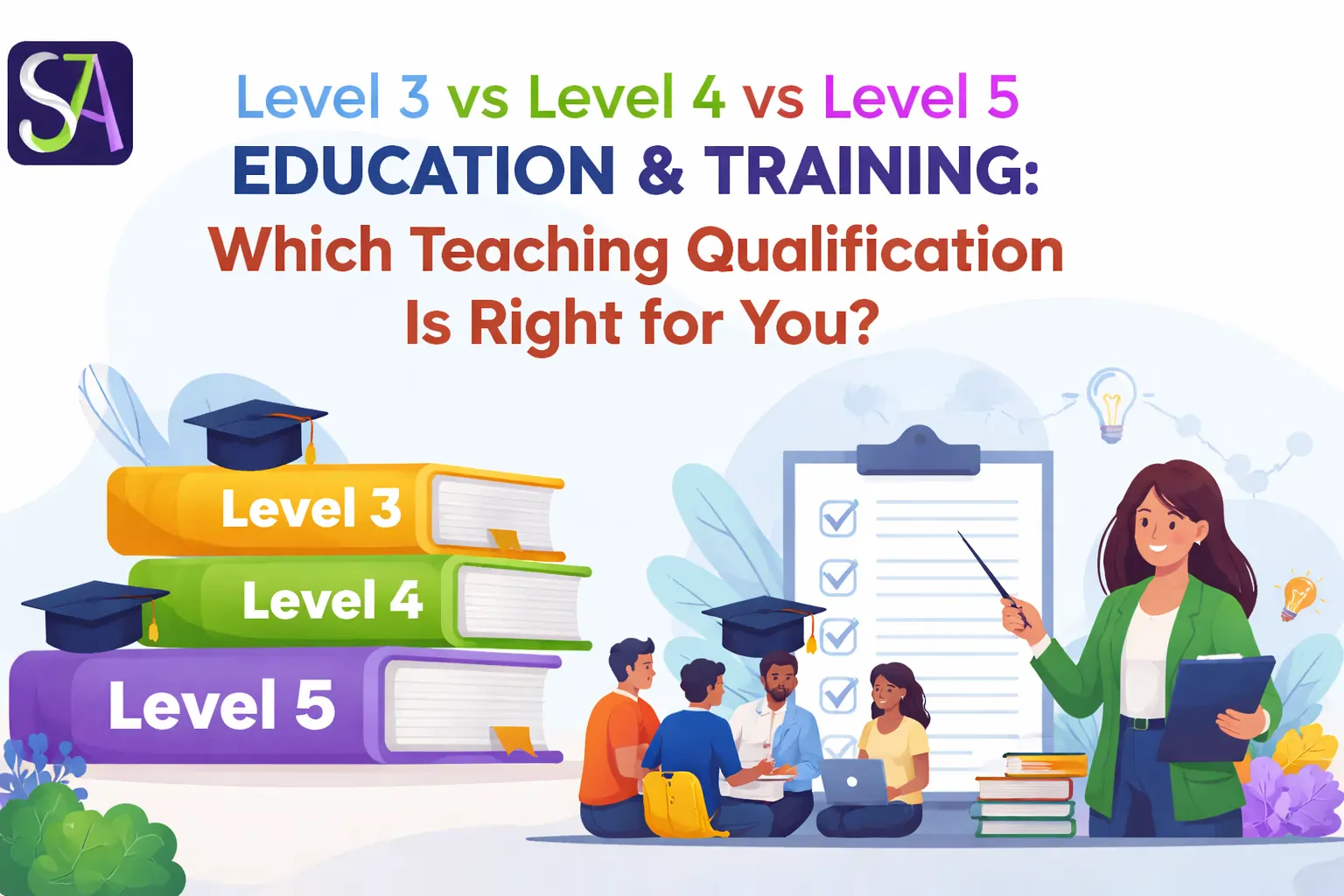
If you want to move into this space, the next step is not guessing. It is choosing the right qualification level. Some people start with the Level 3 Award in Education & Training because they want an introduction to teaching and a clear place to begin. Others need a qualification that takes them further and gives them more structure from the start.
What Are Your Main Routes Into Teaching If You Do Not Have a Degree?
There is no single route that fits everyone. The best option depends on your goal, your current experience and how you need to study.
Undergraduate teacher training
This is the standard route if you want to teach in maintained schools in England and do not yet have a degree. You complete a degree that leads to QTS, then apply for teaching roles once you qualify.
This route makes sense if you are set on school teaching and ready for a longer path.
Teacher degree apprenticeship
This route lets you work in a school, earn while you train, gain a degree and work towards QTS at the same time.
It is a good fit if you want the school route but still need an income while you train.
Further education teaching route
If you want to teach adults, vocational learners or post-16 students, this route often makes much more sense.
For some, the best first step is the Level 4 CET because they already have some teaching or training involvement and want to build on it with more depth and responsibility. For others, the long-term goal is a full teaching qualification, which is why the Level 5 Diploma in teaching becomes so important. If you know you want to teach in FE and build a stronger career in the sector, this is often the route that deserves the closest look.
Education support roles first
You do not need to force a big decision too early. Working as a teaching assistant, learning support assistant, cover supervisor or workplace trainer can help you build confidence and understand what kind of teaching role actually suits you.
This can be the right move if you need experience, income or time before committing to formal study.
Alternative settings and gradual progression
Some people begin in adult learning, private training or workplace education, then move into more formal teaching roles later. If you already have useful knowledge and people skills, this route can be a smart way to build momentum without waiting for the perfect moment.
QTS vs QTLS: What Is the Difference?
This is one of the biggest areas of confusion, and it is often where people get stuck.
QTS is the standard status linked to teaching in maintained schools in England.
QTLS is different. It is linked to the further education and skills sector. It is not a shortcut around the normal school route. It is part of a professional path for people working in FE and related settings.
That distinction matters. If your goal is to teach in schools in England, you should focus on the QTS route. If your goal is to build a long-term career in further education, then your focus should be on the right teaching qualification and the right progression plan. Once you reach that stage, QTLS Application Support can become a useful next step.
SJA Academia is well placed for people who want that FE-focused direction because the route is clearer when you stop comparing it to the school pathway and start looking at it on its own terms.
Which Teaching Qualification Level Is Right for You?
This is where many people lose time. They know they want to teach, but they are not sure which qualification matches their starting point.
The easiest way to think about it is progression.
If you are new to teaching and want a starting point that introduces the basics, the Level 3 Award in Education & Training may be the right place to begin.
If you already have some involvement in teaching, training or supporting learners and want a more developed qualification, the Level 4 CET may suit you better.
If you want a fuller teaching qualification that supports progression in further education and helps you build a stronger long-term position, the Level 5 Diploma is often the most important option to compare carefully.
The mistake many people make is choosing based on the course title alone. A better approach is to ask a few honest questions:
- Do you need an introduction or a fuller qualification?
- Are you already teaching or only planning to start?
- Do you want to build towards professional recognition later?
- Do you need a route that fits around work and family life?
When you answer those questions first, the right level becomes much easier to see.
What Do You Need to Start?
The exact entry point depends on the route, but a few things matter across the board.
First, be clear about where you want to teach. A school route and an FE route are not the same, so the first decision is about setting, not course title.
Second, think about the experience you already have. You may not have a degree, but you may have years of practical knowledge, workplace training experience, or time spent supporting learners. That still matters.
Third, be realistic about your schedule. If you need to keep working, you need a route that fits real life, not an ideal week that never happens.
Finally, think beyond the first course. Some people know from the start that they may later want top-up degrees to expand their options. Others want to focus first on getting into teaching and building confidence before looking further ahead. Both approaches can work when the plan is honest and realistic.
Can You Work While Training to Teach?
For many people, this is the real issue.
You may already have a job. You may have children. You may have rent, bills and responsibilities that do not pause just because you want a new career. That is why a route that looks good on paper can still be the wrong one if it does not fit your life.
For school teaching, a teacher degree apprenticeship may suit people who need to earn while training.
For further education routes, flexibility matters even more. At SJA Academia, many people look at teaching qualifications because they want a route they can actually manage alongside work and family life, not one that sounds good but falls apart after a few weeks.
If that is your situation, a few habits make a big difference:
- Set fixed study times each week
- Protest small blocks of time instead of waiting for a whole free day
- Break larger tasks into weekly targets
- Let the people around you know when you need quiet time
- Choose a course pace that matches your real schedule
This is where balancing work and study becomes more than a nice idea. It becomes part of whether you can finish what you start.
What Jobs Can You Do First Without a Degree?
You do not always need to step straight into a full teaching role.
In many cases, the smartest move is to start in a role that helps you gain experience and confidence first. That could include:
- Teaching assistant
- Learning support
- Cover supervisor
- Trainer
- Vocational support roles
- Workplace learning roles
These roles can help you understand how learning works in practice. They can also show you what type of setting suits you best.
For some people, that first step removes a lot of pressure. Instead of trying to make one huge decision, you start building experience and clarity at the same time.
What Happens After You Complete Your Teaching Qualification?
This is where your focus shifts from getting started to building a real future in teaching.
If you complete the right teaching qualification and work in the right setting, you may later decide to progress towards professional recognition in the FE sector. That is where QTLS Application Support can fit into the bigger picture.
Some people also decide to continue academically once they are established in teaching. If that is part of your long-term plan, top-up degrees may become relevant later as a way to strengthen your progression and broaden your options.
The important thing is that your first step should lead somewhere useful. You do not want a qualification that looks good in isolation but does not support the career you actually want.
Frequently Asked Questions
Can I teach in a school without a degree?
If you mean a maintained primary, secondary or special school in England, you will usually need a degree and QTS. If you do not have a degree yet, the usual route is to follow a path that includes gaining one.
Can I teach in a college without a degree?
Further education is different from school teaching. In many cases, the route depends on your setting, your role and the qualification path you choose.
Can I get QTLS without a degree?
QTLS has its own eligibility criteria. The key issue is not just whether you have a degree. It is whether you meet the requirements linked to the right teaching qualification, professional practice and your work setting.
Am I too old to become a teacher?
No. Many people move into teaching after working in another field. What matters most is choosing a route that fits your goals and your life.
Can I study while working full-time?
Yes, but the route needs to be realistic. A course only helps if you can manage it properly alongside your existing responsibilities.
Final Thoughts
If you want to move into teaching without a degree, the most important thing is to focus on the route that matches your real goal. If you want to teach in a maintained school in England, you will usually need to follow a path that includes a degree and QTS.
If you are aiming for further education, adult learning or post-16 teaching, there may be a more flexible option that fits your experience, schedule and long-term plans. The key is to choose a starting point that feels realistic now, works with your responsibilities, and gives you the confidence to keep building towards a long-term teaching career.